Column · @trevoroqrt916
How an Emergency Dentist Ventura Treats Cracked Teeth Fast
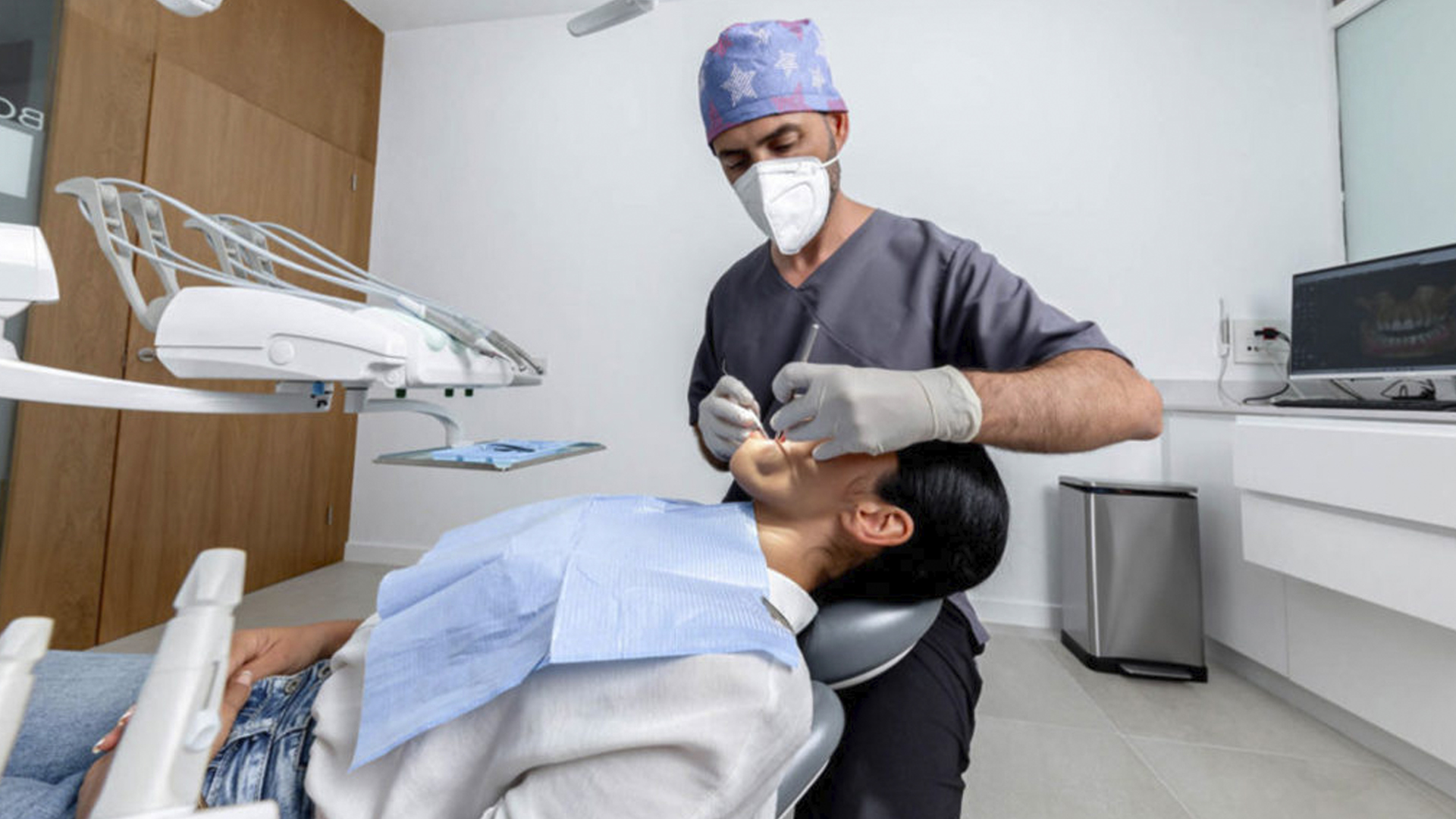


A cracked tooth rarely announces itself politely. For some people, the first sign is a sharp zing while chewing toast. For others, it is a deep ache that seems to come and go without warning, then suddenly becomes impossible to ignore. In a dental office, cracked teeth are among the most time-sensitive problems we see because the window between a manageable repair and a much larger problem can be surprisingly small.
That is why getting in touch with an Emergency Dentist Ventura matters. Speed is not just about pain relief, though patients usually want that first. It is about preserving structure, protecting the nerve inside the tooth, and preventing a crack from traveling further below the gumline where treatment becomes more difficult and, in some cases, less predictable.
Cracked teeth are tricky because they do not all behave the same way. A tiny craze line on enamel is nothing like a vertical fracture splitting through the chewing surface. One patient can talk normally and just avoid biting on one side, while another arrives holding a cold water bottle against the jaw because the tooth has become intensely reactive to temperature. The dentist’s job in an emergency setting is to sort out exactly what kind of crack is present, determine how deep it extends, stabilize the tooth quickly, and choose the treatment that gives the best chance of saving it.
Why cracked teeth move to the front of the line
When a tooth cracks, the hard outer structure no longer distributes chewing pressure evenly. Each bite can flex the separated parts of the tooth slightly. That movement irritates the inner tissue and often creates the signature symptom patients describe: pain on release after biting, not always during the bite itself. It can feel odd at first, almost like a seed shell is stuck between the teeth. Then the sensitivity worsens.
The risk is not only mechanical. Once a crack opens pathways into deeper layers, bacteria can reach dentin and, eventually, the pulp. That is when a simple bonded repair can turn into a root canal and crown, or when a salvageable tooth crosses into extraction territory. In practice, delay changes the odds.
An Emergency Dentist Ventura typically treats cracked teeth with the same urgency given to severe toothaches and lost restorations that expose vulnerable tooth structure. Not every crack is catastrophic, but every new crack deserves a prompt exam because the consequences of guessing wrong are expensive and painful.
What patients usually notice first
Symptoms vary, and that variation is one reason people sometimes wait too long. A crack does not always produce steady pain. Intermittent pain can fool people into thinking the problem is minor or already resolving.
Most patients report one or more of the following signs:
- Pain when biting or when letting go after biting
- Sudden sensitivity to cold drinks or sweet foods
- A rough edge they can feel with the tongue
- Swelling around the tooth or gumline in more advanced cases
- A sense that something is "off" even if the tooth looks normal
That last description is common. Patients often say they cannot point to visible damage, but they know chewing on one side no longer feels right. That instinct is worth respecting. Cracks are not always easy to see in the mirror, especially when they start small or run in directions that hide under cusps, fillings, or the gumline.
The first few minutes in the chair
When someone comes in with a possible cracked tooth, the early part of the appointment is less about rushing into treatment and more about narrowing the diagnosis efficiently. A good emergency visit is fast, but not careless. The details matter.
The dentist will usually start with a symptom history. Was there a hard bite on ice, a nut shell, popcorn kernel, or olive pit? Has the tooth had a large filling for years? Was there recent grinding, clenching, or a sports injury? Does the pain hit with cold, heat, pressure, or spontaneously? A tooth that hurts only with biting suggests one pattern. A tooth that throbs on its own suggests something more advanced.
Then comes the exam. The tooth is inspected under bright light, often with magnification. Existing fillings are checked because older, wide fillings can weaken remaining tooth walls and hide fractures. The dentist may gently tap the tooth, check gum pockets around it, and use bite tests on different cusps to identify where pressure triggers pain. X-rays help, though patients should know this point clearly: many cracks do not show up directly on an x-ray. Imaging is still crucial because it reveals secondary clues, such as deep decay, bone changes, failing restorations, or root involvement.
Sometimes the most revealing part of the visit is the combination of findings rather than one dramatic image. A tooth with a history of pain on release, a large old filling, a suspicious cusp line, and cold sensitivity often tells the story even if the crack itself is subtle.
Not every crack means the same treatment
This is where experience matters. People often use "cracked tooth" as one category, but clinically there are several patterns, and they call for different responses.
A superficial enamel craze line may require little or no active treatment beyond smoothing a rough spot and monitoring, especially if it is cosmetic and symptom-free. A chipped cusp on a back tooth may need bonded composite or a crown if enough structure is compromised. A crack that runs through the chewing surface into the inner part of the tooth may need urgent stabilization and possibly root canal treatment if the pulp is inflamed or exposed. A split tooth with separated segments often has a worse prognosis.
The emergency dentist’s first goal is not to jump to the most aggressive option. It is to determine which category the tooth falls into and stop further damage. Sometimes that means placing a sedative or protective restoration the same day. Sometimes it means taking the tooth out of function, adjusting the bite so it is not taking the brunt of chewing forces. Sometimes the right answer is to move directly into definitive care because a temporary measure will not hold.
How fast treatment actually works in practice
When people hear "emergency dentistry," they often imagine one universal fix. Cracked teeth do not work that way. Fast treatment is usually a sequence: diagnose, stabilize, relieve symptoms, then restore definitively.
Here is the typical same-day flow when the tooth can be saved and the office has the needed access and materials:
- Confirm the diagnosis with exam, bite testing, and x-rays
- Numb the area if the tooth is painful or the repair requires it
- Stabilize the crack with bonding, a protective filling, or a temporary crown approach
- Reduce bite pressure on the tooth so chewing does not keep flexing the crack
- Plan the final restoration, often a crown, and root canal treatment if the nerve is involved
This process can happen quickly, often within one visit for the emergency phase. What varies is the final treatment path. A modest crack may only need direct bonding and observation. A heavily restored molar with a fractured cusp may need a crown soon after the emergency visit. A tooth with lingering thermal pain or nerve exposure may need endodontic care before the final crown is placed.
The reason emergency care can feel surprisingly effective is that once the tooth is stabilized and no longer flexing under bite pressure, the acute pain often drops dramatically. Patients who arrived unable to chew can often leave much more comfortable the same day.
Bonding, crowns, and root canals, choosing the right fix
One of the biggest misconceptions is that every cracked tooth immediately needs extraction. Many do not. Dentists save cracked teeth every week, but the method depends on depth, location, and whether the pulp has been compromised.
Bonding is useful when the crack or chip is limited and enough healthy structure remains. Composite resin can rebuild a broken edge or support an area where a small fracture removed part of the enamel and dentin. Bonding is conservative and efficient, but it is not ideal for every heavily loaded back tooth, especially if the crack reflects broader structural weakness.
Crowns are often the workhorse solution for posterior cracked teeth. A crown wraps around the tooth and helps hold it together against chewing forces. In real-world practice, many symptomatic cracked molars improve significantly once covered by a properly fitted crown because the cusps are no longer spreading apart under pressure. Timing matters, though. If symptoms have already progressed to irreversible pulp inflammation, a crown alone may not solve the pain.
Root canal treatment enters the picture when the crack has irritated or infected the pulp beyond recovery. Patients sometimes worry that needing a root canal means the tooth is "gone." It does not. It means the inner tissue has been damaged, but the tooth may still be worth saving if the crack does not extend too far down the root. After root canal treatment, a crown is commonly placed to protect the tooth from future fracture.
Extraction becomes the better option when the crack extends deeply below the gumline, splits the root, or leaves too little predictable structure to restore. A good emergency dentist is careful here. Saving a tooth is usually preferable, but not if the prognosis is poor and the patient will only face repeat pain, repeat fees, and more downtime.
The edge cases that complicate cracked teeth
The straightforward cases are not the only ones that come through the door. Some cracked teeth look mild and behave badly. Others look ugly and turn out to be repairable.
A common example is the tooth with a large old silver filling. These teeth can develop cracks along cusp walls over time because a significant amount of natural structure was removed years ago. Patients may say, "The filling has been there forever, so I thought it was fine." Longevity is not a guarantee of future stability. Age, bite forces, and repeated thermal cycling all take a toll.
Another edge case involves night grinders. Clenching and grinding create repetitive loading that can turn hairline fractures into symptomatic cracks. In those patients, treating the tooth without addressing the habit invites recurrence. A crown may fix the immediate problem, but if the patient keeps bruxing without protection, another tooth may be next. This is where a night guard becomes more than an optional add-on. It becomes part of the long-term protection plan.
Front teeth add a different challenge. A visible crack in an incisor or canine can be both a functional and cosmetic emergency. The priorities shift slightly because shade matching, contour, and smile appearance matter more. Even then, the same underlying question applies: is this limited to enamel, or does it threaten the vitality of the tooth?
What you should do before you get to the office
The period between the crack and the appointment matters. Many patients make the problem worse by testing the tooth repeatedly, chewing on it https://cristianqohm127.cloudhinter.com/posts/the-benefits-of-choosing-an-emergency-dentist-ventura-near-you "just to see," or ignoring it because the pain eased for a few hours.
If you suspect a cracked tooth, take a simple, practical approach. Avoid chewing on that side. Skip hard foods, sticky foods, nuts, crusty bread, and anything very cold if temperature sets it off. If a piece of tooth broke off, save it if you can, though it is not always usable. Rinse gently with warm water. If swelling is present or pain escalates quickly, call for urgent evaluation rather than waiting for a routine opening.
Over-the-counter pain relievers can help some patients, provided they are safe for you medically, but medication is not treatment. It can dull symptoms while the crack continues to propagate. That is why seeing an Emergency Dentist Ventura promptly is the safer path.
How Ventura emergency dentists balance speed with precision
There is a real art to emergency dentistry. Patients want quick relief, but the quickest visible fix is not always the best biological fix. A temporary patch placed on the wrong diagnosis can buy a few days and create a bigger problem later. Experienced dentists know how to move fast without cutting corners.
That often means explaining uncertainty honestly. For example, a dentist may tell a patient that the tooth is very likely cracked and can be stabilized today, but the long-term prognosis depends on whether symptoms settle after coverage or continue, which would point to deeper pulpal involvement. That is not indecision. That is sound judgment. Cracked teeth sometimes declare themselves over time despite a careful initial exam.
It also means knowing when to refer. If the crack pattern is complex, the tooth may benefit from an endodontic evaluation, especially if root canal treatment is likely. If extraction is unavoidable in a strategic area of the mouth, timely planning for replacement matters too. Emergency care is part of a continuum, not an isolated event.
Cost, timing, and the reality patients face
Patients dealing with a cracked tooth often ask two questions right away: can you save it, and how much is this going to cost? Both are fair, and both depend on severity.
A limited repair costs far less than a crown, and a crown costs less than root canal treatment plus a crown, which usually costs less than extraction plus an implant or bridge. That is one more reason not to wait. Early treatment often preserves simpler options.
Timing also matters on a practical level. Many adults delay because of work, childcare, or travel plans. Yet the disruption from prompt care is usually smaller than the disruption from a cracked tooth that turns into severe pain or swelling over a weekend. In day-to-day practice, the patients who come in early often need less invasive treatment than those who try to "manage it" for a week or two.
What recovery usually feels like
After emergency stabilization, mild soreness is common, especially if the tooth had been inflamed for a while or if the bite needed adjustment. Most patients notice chewing comfort improve first. Cold sensitivity may fade more gradually. If the dentist used a temporary protective restoration, patients need to treat the tooth carefully until the final restoration is placed.
A crown-prepped or recently bonded tooth should not be stress-tested with hard foods. It is also normal for a dentist to ask the patient to monitor specific symptoms: lingering sensitivity to hot or cold, pain that wakes them at night, tenderness when biting, or swelling near the gums. Those details help determine whether the nerve is calming down or whether further treatment is needed.
The encouraging part is that many cracked teeth, when diagnosed early and restored appropriately, do very well. A timely crown on the right tooth can preserve function for years. A properly treated tooth that needed root canal therapy can remain stable and comfortable long term. The outcome depends less on drama at the first appointment and more on choosing the correct path quickly.
Preventing the next crack
Not all cracks are preventable, but many are. The biggest risk factors are familiar in practice: chewing hard objects, untreated grinding and clenching, large aging fillings, and postponing care on teeth that already feel compromised.
Patients often think prevention has to be complicated. Usually it is not. Avoid cracking ice. Do not use teeth as tools to open packaging. Address clenching with a night guard if your dentist recommends one. Replace failing restorations before the surrounding tooth walls weaken further. If a tooth occasionally hurts when you bite, do not file that information away for six months.
Teeth tend to whisper before they scream.
When the right move is to call now
A cracked tooth sits in that frustrating middle ground between "maybe it is nothing" and "this is unbearable." Waiting for certainty is a mistake. By the time a cracked tooth makes its diagnosis obvious to a patient, the situation has often advanced.
An Emergency Dentist Ventura is equipped to sort through that uncertainty fast. The value of the visit is not just pain control. It is determining whether the tooth needs a conservative repair, full coverage with a crown, root canal treatment, or, in the tougher cases, removal and replacement planning. The earlier that decision is made, the better the odds of preserving the tooth and avoiding a more invasive chain of treatment.
If you can point to one tooth that hurts when you bite, reacts sharply to cold, or feels different after biting down on something hard, that is enough reason to get it checked. Cracks rarely improve from neglect. They respond to timely diagnosis, thoughtful stabilization, and the kind of practical judgment that comes from treating this problem often. That is what fast, effective emergency dental care is really about.
Avra Dental
1708 S Victoria Ave B, Ventura, CA 93003, United States
Phone: +1 805-765-3206
FAQ About Emergency Dentist Ventura
Can the ER do anything for tooth pain?
An emergency department can assess serious symptoms and provide temporary relief, but definitive dental treatment usually requires a dentist. Trouble breathing or swallowing, uncontrolled bleeding, or swelling spreading into the neck requires emergency medical care.
What do I do if I have a dental emergency and no dentist?
Contact a local emergency dental practice promptly, explain your symptoms, and ask about the earliest available assessment. Avra Dental provides emergency dentistry in Ventura; call to confirm availability. If you have life-threatening symptoms or a serious facial injury, go to an emergency department or call 911.
What do I do if tooth pain is unbearable?
Seek urgent dental assessment rather than waiting for the pain to pass. While arranging care, gently rinse with warm water and avoid placing aspirin directly on the tooth or gums. Severe pain with trouble breathing or swallowing, rapidly spreading swelling, or uncontrolled bleeding needs immediate emergency medical care.